Category: News and Events

news-and-events

  • HAPLO-iPS: Four Years of Collaboration, a Lasting Foundation for the Future

    HAPLO-iPS: Four Years of Collaboration, a Lasting Foundation for the Future

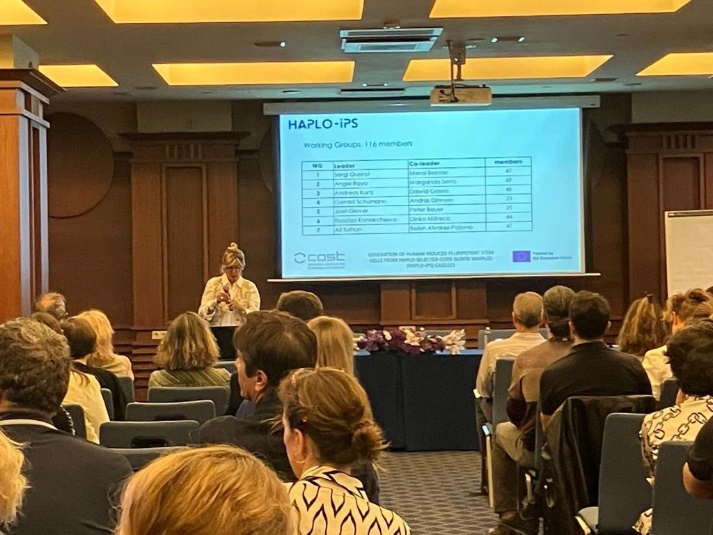
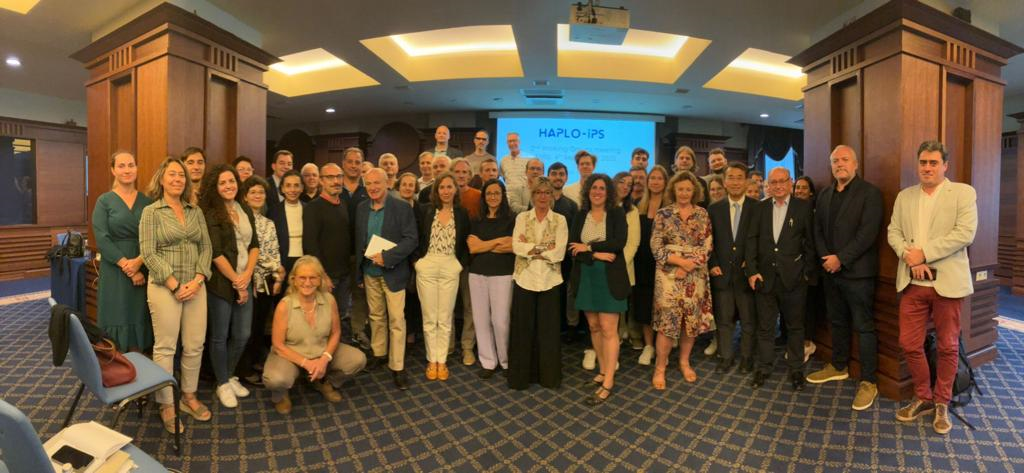
    The HAPLO-iPS community gathered in Sofia for the second Working Group and Management Committee meetings, 4–5 September 2023 – part of four years of scientific exchange and collaboration.

    After four years of scientific exchange, training and international cooperation, the HAPLO-iPS COST Action CA21151 concluded on 10 October 2026. For the Bulgarian team connected through Sofia University, INFRAACT and EATRIS Bulgaria, this marks the completion of a rewarding shared journey – and an opportunity to build on the knowledge, experience and relationships developed along the way.

    Connecting expertise in stem-cell research

    Launched in October 2022, HAPLO-iPS – Generation of Human Induced Pluripotent Stem Cells from Haplo-Selected Cord Blood Samples – brought together expertise spanning cord blood banking, cellular reprogramming, quality control, ethics, regulation and clinical translation. Its shared ambition was to support the development of HLA-homozygous induced pluripotent stem-cell resources with the potential to improve donor-recipient matching for future cell therapies.

    Among the Action’s key outputs were shared approaches to cord blood sample selection, a documented protocol for reprogramming cord blood-derived CD34+ cells under GMP-compliant conditions, a regulatory roadmap from donor material to iPSC production, and donor information and consent documents for HLA-haplotyped iPSC biobanks. Work on clinical translation also reviewed the landscape of iPSC-derived therapies and the safety, quality and regulatory requirements surrounding their development. Together, these resources provide a practical foundation for further research and harmonisation across institutions.

    Bulgaria’s contribution: training, communication and scientific exchange

    The Bulgarian team played an active role in the network. Prof. Rossitza Konakchieva led Working Group 6 – Training and Dissemination – with Georgi Nikolaev serving as Science Communication Coordinator. Their contributions supported the Action’s training programme, scientific communication and visibility, helping connect researchers with opportunities, resources and one another.

    Bulgaria also provided a meeting place for the wider community. In September 2023, Sofia hosted 62 participants from nearly 30 countries for the second Working Group and Management Committee meetings. In November 2024, HAPLO-iPS members contributed to the INFRAACT-supported “Advances in Translational Medicine” conference, bringing the network into dialogue with Bulgarian researchers and the EATRIS Bulgaria community.
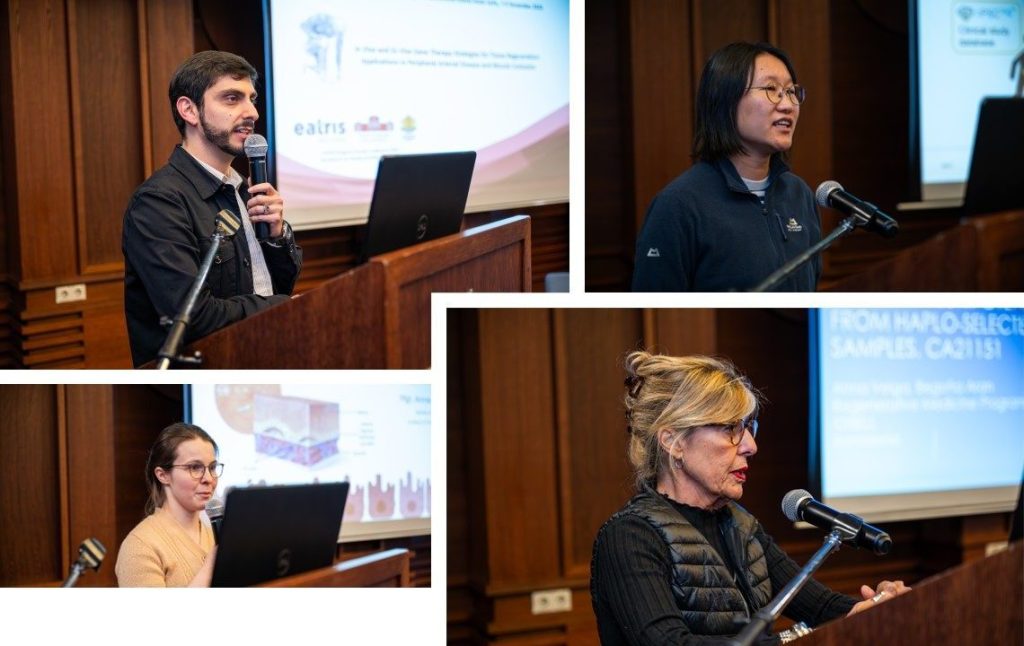
    HAPLO-iPS members joined the Bulgarian research community at the INFRAACT-organised “Advances in Translational Medicine” conference, Sofia, 7–9 November 2024, connecting shared interests in stem-cell research, biobanking and innovative therapies.

    For INFRAACT, participation offered valuable opportunities to exchange expertise with European partners, engage with evolving approaches to stem-cell manufacturing and biobanking, and connect national research priorities with a broader translational agenda.

    Investing in the next generation

    Training schools, Short-Term Scientific Missions and dedicated Young Researchers meetings were an important part of the Action’s legacy. They enabled participants to gain practical experience, present their work and develop international connections. The Lisbon Young Researchers meeting in May 2026 included reports on research exchanges involving iPSC generation, cultivation and characterisation, while the final training school in Oslo addressed data protection, ethics and iPSC haplobanking.
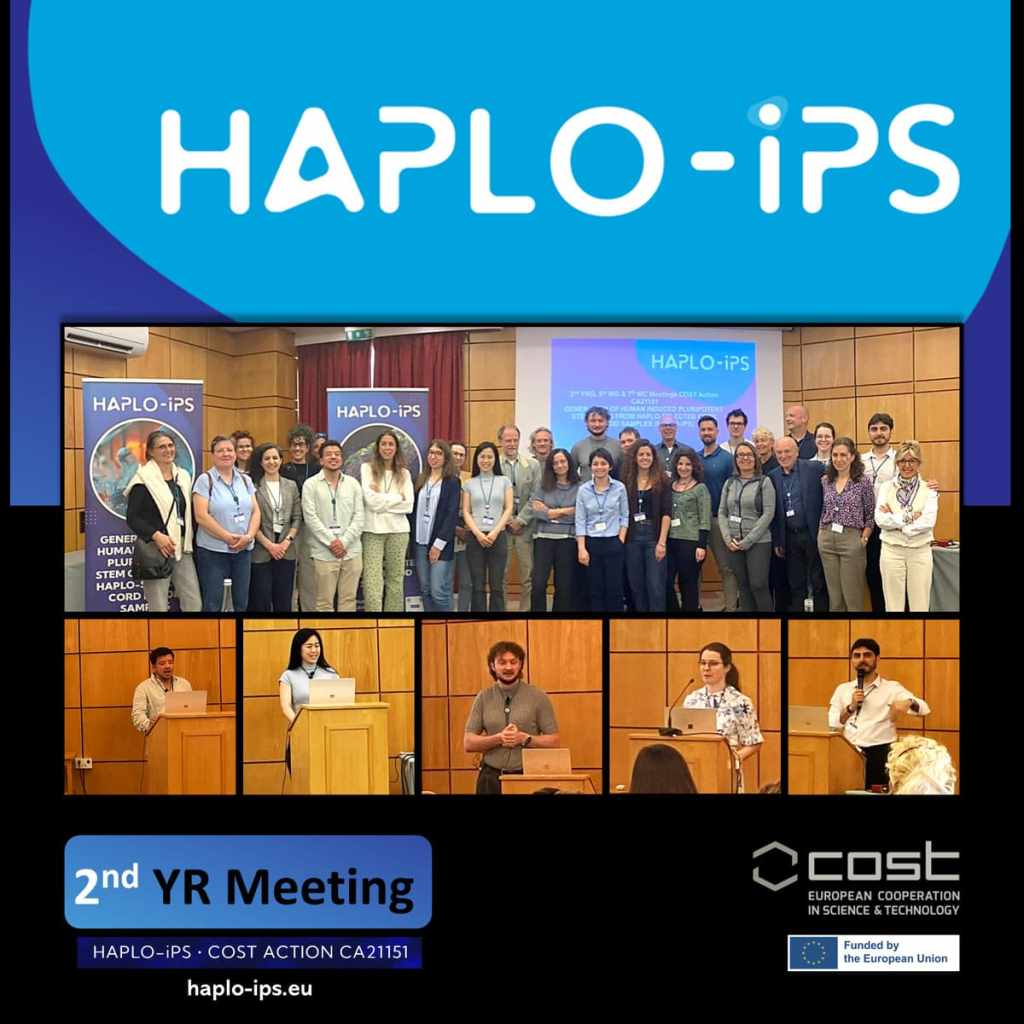
    These opportunities demonstrate the value of a research network beyond its formal outputs: people return to their institutions with new perspectives, stronger professional connections and ideas for what comes next.

    Thank you – and onwards

    We warmly thank Action Chair Dr Anna Veiga, the leadership team, Working Group members, hosts, trainers and young researchers for four years of generous exchange and shared commitment.

    HAPLO-iPS leaves behind useful resources, a connected scientific community and a stronger foundation for future cooperation. For INFRAACT and the Bulgarian participants, its conclusion is not simply a farewell, but an invitation to carry these connections forward.

    The Action has ended; the knowledge, friendships and possibilities it created remain.
    Explore the HAPLO-iPS outputs and deliverables

  • From Biomarkers to AI: Prof. Alain van Gool Visits EATRIS Bulgaria

    From Biomarkers to AI: Prof. Alain van Gool Visits EATRIS Bulgaria

    13–16 October 2026 | Sofia, Bulgaria

    EATRIS Bulgaria welcomed Prof. Alain van Gool, Professor of Personalised Healthcare at Radboud University Medical Center and Chair of the EATRIS Biomarkers Platform, for a five-day programme in Sofia connecting science policy, education, biomarker translation, personalised healthcare and advanced computing.

    Science policy and research infrastructures

    The visit began on 13 October with a working meeting with Academician Nikolay Vitanov, Deputy Minister of Education and Science. Prof. van Gool was joined by Corresponding Member Prof. Soren Hayrabedyan and representatives of EATRIS Bulgaria. The discussion addressed the links between research, technological development, innovation and societal needs, as well as commitments under Bulgaria’s National Roadmap for Research Infrastructures, the participation of national consortia in pan-European research infrastructures, and opportunities for Bulgarian–Dutch cooperation.

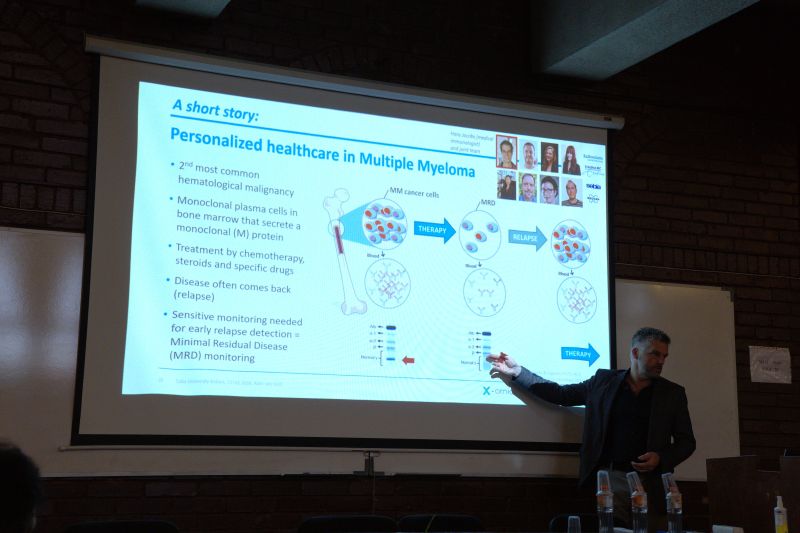
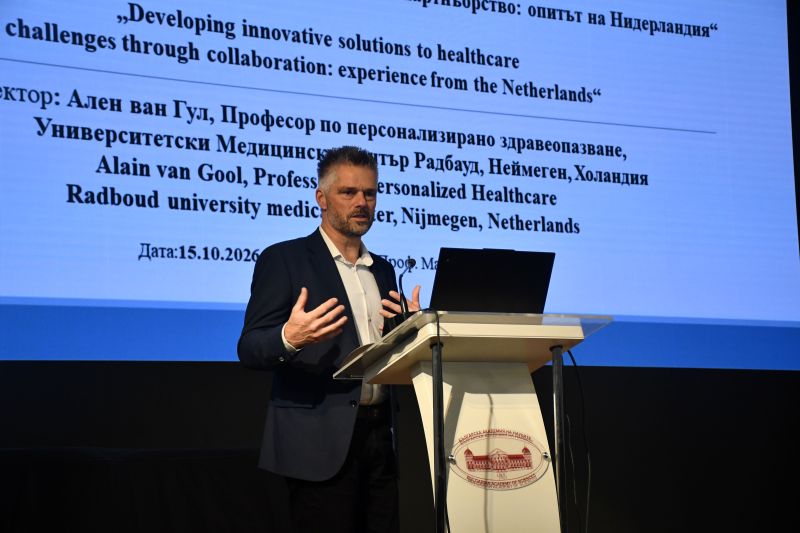
    Prof. Alain van Gool presents personalised healthcare research at Sofia University.
    Scientific Seminar at the Faculty of Biology, Sofia University “St. Kliment Ohridski”, 13 October 2026.

    Later that day, before his lecture, Prof. van Gool toured the INFRAACT facilities at the Faculty of Biology, Sofia University, including the high-resolution fluorescence microscopy laboratory, the small-animal optical tomography platform and the Experimental Centre for Stem Cells with Cryobank. The visit highlighted the INFRAACT’s capabilities in advanced cellular imaging, preclinical research, stem-cell culture, characterisation and cryopreservation. Prof. van Gool then spoke in the Faculty’s Scientific Seminar series. His lecture “Innovations in personalized healthcare: exciting times!” explored how molecular omics technologies, biomarkers and the responsible use of artificial intelligence are advancing personalised healthcare. A central message was that translating discoveries into clinical benefit requires collaboration across disciplines and the active involvement of patients.

    An Event Recap Video from the visit and lecture of prof. Alain van Gool to the Faculty of Biology is available below:

    From biomarker discovery to clinical translation

    On 14 October, Prof. Alain van Gool visited the Bulgarian EuroBioImaging Node at the Institute of Molecular Biology, Bulgarian Academy of Sciences. Hosted by Prof. Stoyno Stoynov, he was introduced to the Node’s expertise in fast, high-resolution live-cell imaging, spinning-disk microscopy, laser micro-irradiation and advanced image analysis.

    Later on the same day, researchers and clinicians gathered at the Medical University of Sofia for the master class “Discovery, Development and Deployment of Innovative Biomarkers”, led by Prof. van Gool. Following his introductory lecture, participants examined three clinical applications:

    • Prostate cancer: plasma miRNAs as complementary biomarkers, presented by Dr. Darina Kachakova;
    • Adult acute lymphoblastic leukaemia: early detection of IKZF1 deletions to improve risk stratification, presented by Dr. Stefan Lozenov;
    • Cervical cancer: biomarker correlations and the importance of a clearly defined context of use, presented by Dr. Eva Tsoneva.

    The interactive discussions underlined that discovery is only the beginning: a promising biomarker must also demonstrate analytical robustness, clinical relevance and a realistic pathway towards implementation in healthcare. The master class was organised with the contribution of Prof. Radka Kaneva, Prof. Rossitza Konakchieva and colleagues, and was supported by the Science Directorate of the Ministry of Education and Science within the framework of the National Roadmap for Research Infrastructures 2020–2027.

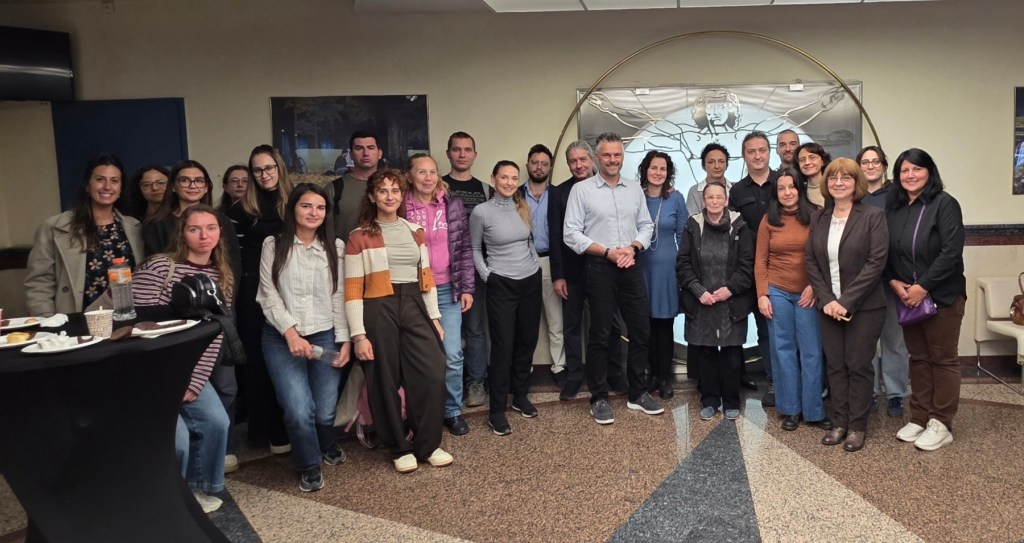
    Participants and speakers at the biomarker master class in Sofia.
    Master class “Discovery, Development and Deployment of Innovative Biomarkers”, 14 October 2026.

    Collaboration for better healthcare

    On 15 October, the programme included a partner visit to the Institute of Biology and Immunology of Reproduction “Acad. Kiril Bratanov” at the Bulgarian Academy of Sciences, which is also an EATRIS affiliated Institute. Prof. Alain van Gool toured the INFRAACT laboratories for genomics and single-cell transcriptomics, cell sorting, cell culture and 3D bioprinting, advanced bioimaging, protein analysis and cryopreservation (watch a recap of the visit here).

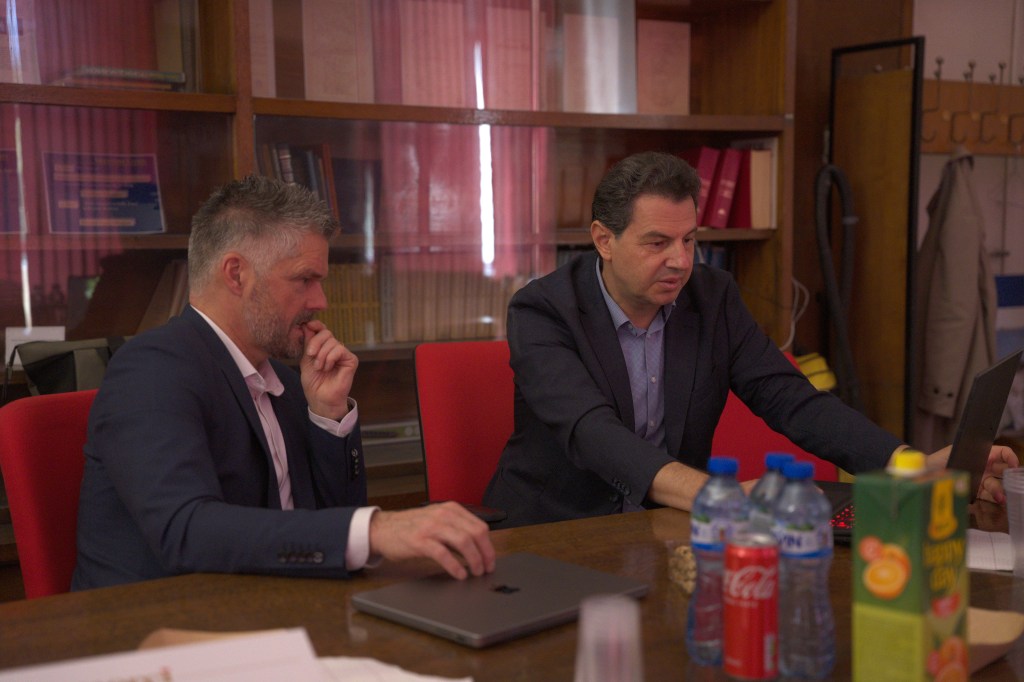
    Prof. van Gool and Prof. Hayrabedyan at IBIR-BAS, 15 October 2026

    The visit continued with a partner session hosted by Prof. Soren Hayrabedyan and attended by representatives of EATRIS Bulgaria, INFRAACT, Health & Life Sciences Cluster Bulgaria and AI Cluster Bulgaria. Discussions focused on strengthening Bulgaria’s capacity in translational medicine through high-throughput omics, advanced cellular technologies, data integration, machine learning and responsible AI, alongside opportunities for cross-sector projects, collaboration with European centres and interdisciplinary training for young researchers and bioinformaticians.

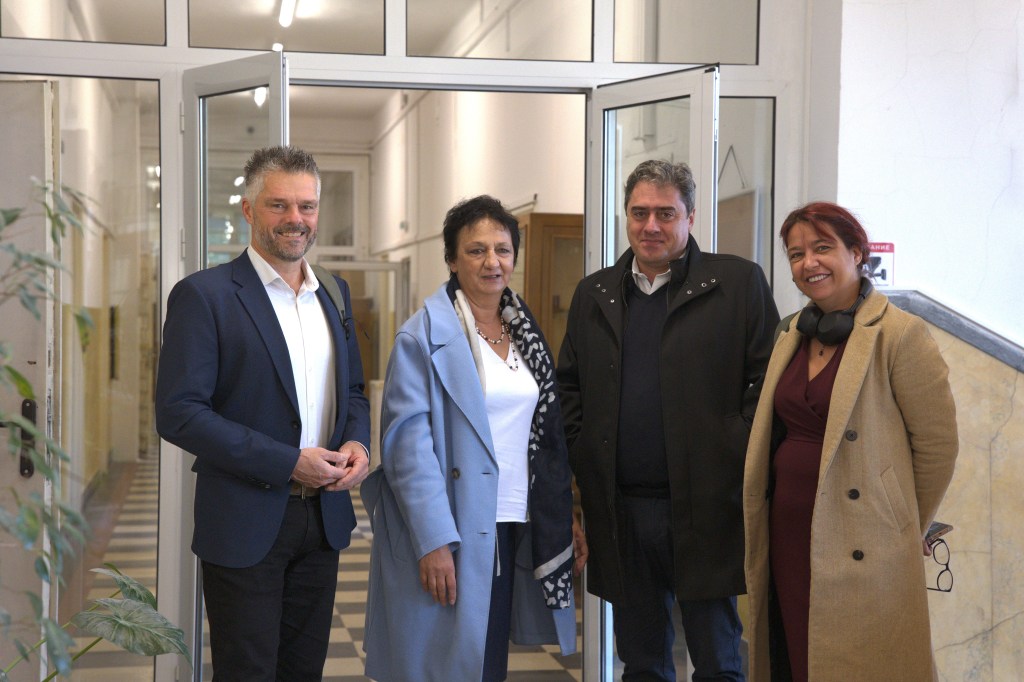
    Prof. van Gool with the National Director and National Coordinator of EATRIS Bulgaria Prof. Rossitza Konakchieva and Georgi Georgiev, and Kristina Eskenazi, Chairwoman of the Health & Life Sciences Cluster Bulgaria and AI Cluster Bulgaria

    Later on the same day he delivered the lecture “Developing innovative solutions to healthcare challenges through collaboration: experience from the Netherlands” at the Bulgarian Academy of Sciences. Drawing on Dutch experience, he discussed how research communities, interdisciplinary partnerships and the responsible use of data science and AI can help translate scientific advances into practical benefits for healthcare systems facing growing demands and limited resources.

    Connecting biomedical research with AI and high-performance computing

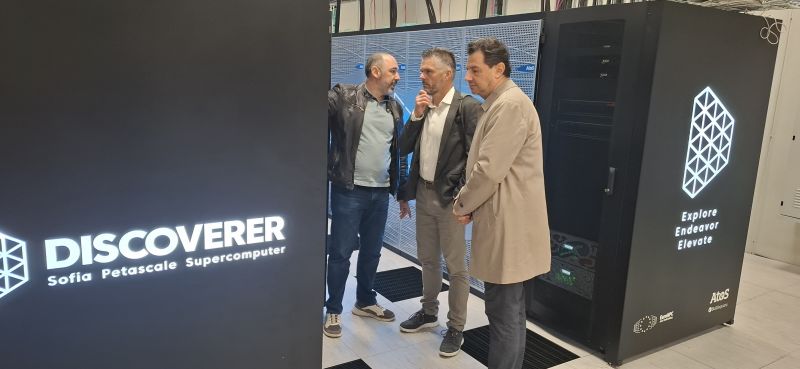
    The programme concluded on 16 October with a visit to the Discoverer+ supercomputer at Sofia Tech Park, initiated by Prof. van Gool. The EATRIS Bulgaria delegation included Prof. Rossitza Konakchieva, National Director; Prof. Soren Hayrabedyan, Director of IBIR-BAS; and Assoc. Prof. Georgi Nikolaev, National Coordinator.

    The delegation was welcomed by Prof. Simeon Stoyanov, Manager of the Bulgarian AI Factory BRAIN++ and Business Development Director of Discoverer; Kiril Kirilov, Chief Operating Officer of Discoverer; and Mihail Iliev, Executive Director of the R&D&I Consortium at Sofia Tech Park. Discussions explored how advanced computational infrastructure could support AI-assisted biomarker discovery, multi-omics data integration, personalised medicine and advanced disease modelling.

    EATRIS Bulgaria delegation visiting the Discoverer+ supercomputer at Sofia Tech Park.
    EATRIS Bulgaria visits the Discoverer+ supercomputer at Sofia Tech Park, 16 October 2026.

    Across five days, the visit connected decision-makers, researchers, clinicians and technology experts around a shared goal: moving excellent science towards solutions that can improve health. It also demonstrated the role of EATRIS Bulgaria and the INFRAACT community in building international partnerships and linking national capabilities with European translational medicine.

    We thank Prof. Alain van Gool for his expertise, openness and commitment throughout the programme, and all participating institutions and colleagues for making the visit possible.

  • Beyond Gene Expression: Single-Cell Isoform-Resolved Biology

    22 September 2026 · International webinar

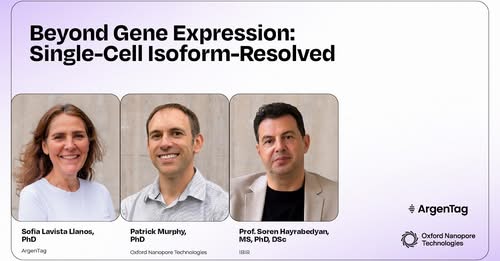
    Speakers at the Beyond Gene Expression: Single-Cell Isoform-Resolved Biology webinar: Sofía Lavista Llanos, Patrick Murphy and Prof. Soren Hayrabedyan

    Researchers from the Institute of Biology and Immunology of Reproduction, Bulgarian Academy of Sciences (IBIR-BAS), presented advances in single-cell long-read transcriptomics during the international webinar Beyond Gene Expression: Single-Cell Isoform-Resolved Biology, organised jointly by ArgenTag and Oxford Nanopore Technologies.

    Resolving biological changes beyond gene-level expression

    As an invited speaker, IBIR-BAS Director Prof. Soren Hayrabedyan presented practical experience with long-read single-cell sequencing in prostate-cancer research. The study examines mechanisms through which tumour cells acquire a more aggressive, stem-like phenotype and evade immune surveillance.

    Results and bioinformatics analysis developed by Prof. Krasimira Todorova’s team indicate that key genes can switch between transcript isoforms without a corresponding change in their total expression level. Such isoform diversity may remain hidden in conventional gene-level analyses while carrying important information about cellular regulation and immune defence.

    INFRAACT-enabled single-cell research

    The work is supported by the research infrastructure established at IBIR-BAS through Bulgaria’s National Roadmap for Research Infrastructures. IBIR-BAS is a member of INFRAACT and participates in EATRIS Bulgaria.

    The institute’s Section of Translational Multi-OMICS Technologies develops single-cell transcriptomics, direct RNA analysis and real-time multimodal imaging approaches. Its experience includes the implementation and optimisation of platforms from 10x Genomics, Singleron Biotechnologies and ArgenTag, combined with third-generation long-read sequencing protocols.

  • INFRAACT Hosts “Advances in Translational Medicine” with HAPLO-iPS Participation

    INFRAACT Hosts “Advances in Translational Medicine” with HAPLO-iPS Participation

    From 7 to 9 November 2024, INFRAACT – Research Infrastructure “Cell Technologies in Biomedicine” – and Sofia University “St. Kliment Ohridski” organised the scientific conference “Advances in Translational Medicine” in Sofia. Held as part of the EATRIS Bulgaria Annual Conference 2024, the event brought together Bulgarian and international researchers, including members of the HAPLO-iPS COST Action CA21151, to exchange knowledge on shared priorities in stem-cell research, biobanking and translational medicine.

    “Advances in Translational Medicine”, organised by INFRAACT as part of the EATRIS Bulgaria Annual Conference, Sofia, 7–9 November 2024.

    The scientific programme explored advances in cell reprogramming, stem-cell-based therapies, bioprinting and three-dimensional experimental models, as well as biotechnology, genomic profiling and biomarker research. A joint session involving the Bulgarian nodes of EATRIS and BBMRI addressed the ethical, legal and societal aspects of biobanking human biological materials, together with the evolving European regulatory framework.

    The HAPLO-iPS COST Action CA21151 was represented by Action Chair Dr Anna Veiga and members of its Junior Researchers Group, including Leonardo Martin, Ying Chen and Anna Brymova. Their participation highlighted both the scientific objectives of the Action and its commitment to supporting the development and international engagement of early-career researchers.

    Watch the video summary:

    The conference created an important meeting point between the HAPLO-iPS network and the Bulgarian translational research community, encouraging scientific exchange and future collaboration in stem-cell research, biobanking and innovative therapies.

    Read the original report on the HAPLO-iPS website

  • HAPLO-iPS COST Action Brings Its Working Groups and Management Committee to Sofia

    On 4 and 5 September 2023, Sofia welcomed 62 participants from nearly 30 countries for the second Working Group and Management Committee meetings of the HAPLO-iPS COST Action CA21151 – Generation of Human Induced Pluripotent Stem Cells from Haplo-Selected Cord Blood Samples.

    During the first day, the Action’s seven Working Groups met in parallel sessions to review progress, discuss scientific and organisational challenges and define priorities for the following Action period. The presentations and discussions provided an important opportunity for researchers and Working Group leaders to exchange experience and coordinate their joint activities.

    The Management Committee met on 5 September to review the implementation of the Action and plan its next steps. The programme included updates on the Action’s membership, finances and leadership structure, as well as discussions on the COST Excellence and Inclusiveness policy, grant-awarding procedures, science communication and future activities.

    By bringing together experts from across Europe and beyond, the Sofia meetings strengthened cooperation within the HAPLO-iPS network and supported its shared objective of advancing the development of HLA-homozygous human induced pluripotent stem-cell resources for future research and cell-therapy applications.

    Read the original report on the HAPLO-iPS website